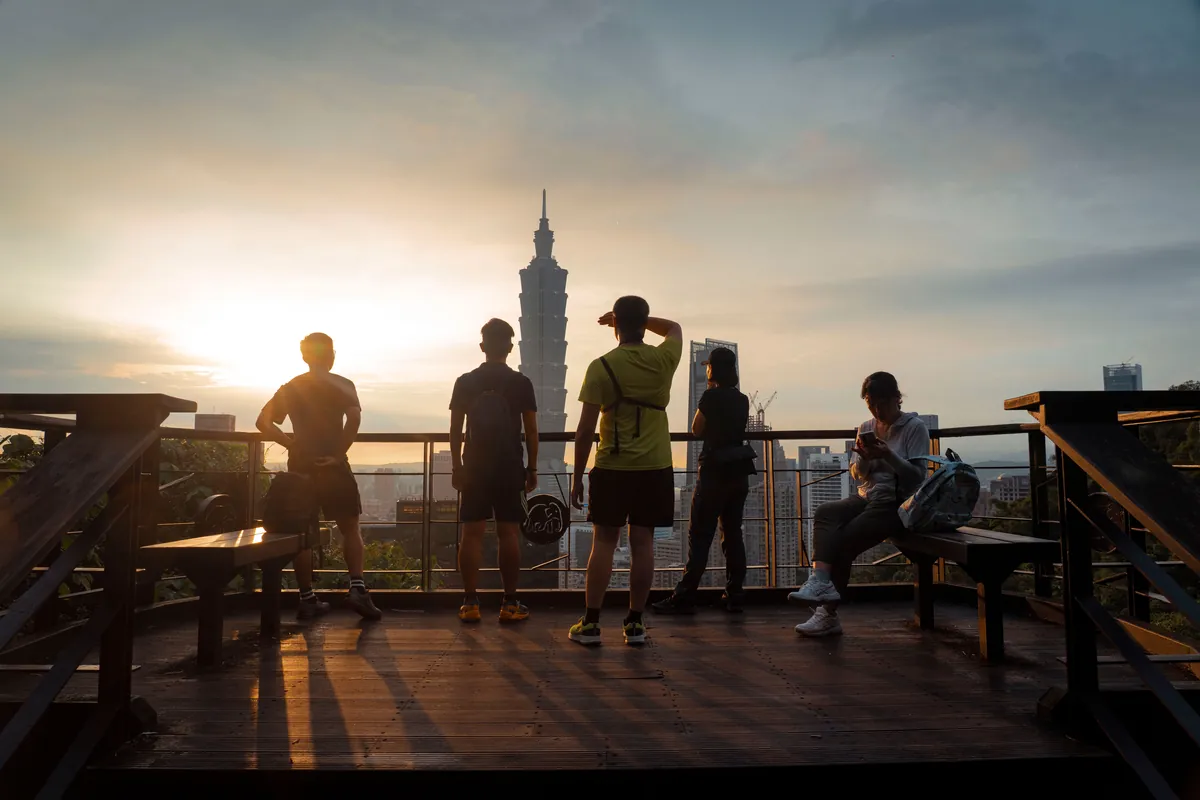
asia and china hold a unique place in the global landscape, bringing together ancient traditions and rapid modern development. Understanding this dynamic region is essential for anyone curious about global culture, economic trends, and lifestyle shifts. From bustling metropolises to serene rural landscapes, Asia offers a fascinating blend of old and new.
China, as Asia’s largest country and one of its most influential, serves as a gateway to understanding the broader continent. Its historical depth, technological advancements, and cultural richness make it a focal point in conversations about lifestyle and societal changes in Asia. Top Rated Headphones: How to Choose the Perfect Pair for Your Lifestyle
In this article, we will explore key aspects of Asia and China, highlighting why this region continues to captivate people worldwide. Whether you are a traveler, a businessperson, or simply curious about different ways of living, this guide offers valuable insight into the lifestyle and culture of Asia and China.
Asia and China: A Cultural Mosaic
Diversity Across the Continent
Asia is the largest continent, home to thousands of ethnic groups, languages, and religions. From the deserts of Central Asia to the tropical forests of Southeast Asia, the cultural diversity here is unparalleled. China itself houses more than 50 ethnic minorities, each contributing to the country’s broad cultural tapestry.
This diversity shapes daily life, festivals, cuisine, and traditions. It allows travelers and residents alike to experience a mosaic of cultures within the continent, making Asia an endlessly intriguing place.
China’s Cultural Heritage and Modern Identity
China balances its rich cultural heritage with rapid modernization. Ancient landmarks such as the Great Wall and the Forbidden City coexist with towering skyscrapers and high-speed trains. Traditional festivals like the Lunar New Year remain integral, while contemporary lifestyles thrive in urban centers.
This blend influences everything from fashion and food to popular media. Chinese culture’s adaptability plays a significant role in shaping the lifestyle of its people today.
Economic Growth and Its Impact on Lifestyle
Asia’s Rapid Transformation
Over the past few decades, Asia has experienced significant economic growth, lifting millions out of poverty and creating vibrant middle classes. Countries like China, India, and Indonesia have become economic powerhouses, driving development across the region.
This growth has transformed lifestyles, especially in urban areas. Access to technology, improved infrastructure, and increased consumer choices define the modern Asian experience.
China’s Role in Global Economy
China stands at the forefront of Asia’s economic boom. As the world’s second-largest economy, it influences global trade, technology, and finance. This economic strength impacts domestic lifestyles, with rising incomes fostering demand for better education, healthcare, and leisure activities.
Urbanization continues at a dizzying pace, reshaping cities and lifestyles. However, disparities between urban and rural life still exist, reflecting the ongoing challenges of balancing growth with social equity.
Contemporary Lifestyle Trends in asia and china
Urban Living and Technology
Technology plays a central role in redefining lifestyle in Asia and China. Smartphones, e-commerce, and social media penetrate everyday life, especially among younger generations. Cities buzz with new forms of entertainment, dining, and shopping experiences.
Smart cities in China are pioneers of integrating technology with urban management, enhancing convenience and sustainability in daily living.
Health, Wellness, and Tradition
Alongside modernization, traditional wellness practices remain popular. Traditional Chinese medicine, yoga, and meditation are part of daily routines for many seeking balance in a high-paced world. Asian diets, rich in fresh ingredients and herbs, contribute to overall health consciousness.
This fusion of past and present creates unique wellness trends blending scientific innovation with age-old wisdom.
Travel and Lifestyle Experiences in Asia and China
Destination Highlights
Asia offers an abundance of travel experiences, from pristine beaches in Thailand to cultural landmarks in Japan and India. China alone features a mix of natural wonders, like Zhangjiajie National Forest Park, and vibrant urban settings like Shanghai.
Travelers can immerse themselves in diverse lifestyles, whether by exploring local markets, attending festivals, or enjoying traditional cuisine that reflects each region’s heritage.
Living Abroad and Cultural Exchange
The growing expat communities in Asia and China foster cultural exchange and broaden lifestyle perspectives. Many foreigners are drawn to the region for education, work, or retirement. This international presence influences local culture and creates dynamic social environments.
For those considering relocation, understanding the cultural nuances and lifestyle patterns in Asia and China is key to adapting successfully. Cosmopolitan Lifestyle
Challenges and Future Outlook
Balancing Tradition and Modernity
Asia and China face the continuous challenge of preserving cultural identity amid rapid modernization. Urban growth and globalization bring opportunities but also risks of cultural erosion.
Efforts to maintain traditions while embracing innovation will define the future lifestyle landscape across the region.
Sustainability and Social Change
Environmental concerns are increasingly shaping policy and lifestyle choices. China leads several green initiatives, aiming to reduce pollution and promote renewable energy.
Social changes, including shifts in family structures and work-life balance, are influencing lifestyle trends. The future promises a complex yet hopeful evolution for the people and cultures of Asia and China.
FAQ
What makes Asia and China culturally unique?
Asia’s vast geographical diversity and numerous ethnic groups create a rich cultural mosaic. China contributes with its long history, ethnic minority cultures, and a blend of ancient traditions and modern influences.
How has economic growth affected lifestyles in Asia and China?
Economic growth has improved living standards, increased consumer choices, and introduced technology-driven convenience, especially in urban areas. It has also led to greater social mobility and lifestyle changes.
Are traditional practices still relevant in modern Asian lifestyles?
Yes. Many traditional customs, from festivals to wellness practices, remain deeply embedded. They coexist with modern lifestyles, creating a unique cultural fusion.
What role does technology play in daily life in Asia and China?
Technology is central, enabling smart city initiatives, e-commerce, digital communication, and entertainment, all of which shape how people live, work, and socialize.
Is it easy for foreigners to live in Asia and China?
While foreigner communities are growing, adapting requires understanding cultural differences and local customs. Many cities offer infrastructure and social networks supportive of expats, making relocation feasible with the right preparation.