As global political tensions escalate and economic policies shift, investors increasingly turn their attention to dow jones futures for insights into the market’s potential direction. Understanding these futures contracts is critical for gauging investor sentiment, anticipating market movements, and making informed financial decisions in an ever-changing political landscape. This article explores the role of Dow Jones futures, their interplay with current political events, and what they signal for the economy and investors alike.
What Are Dow Jones Futures?
Dow Jones futures are financial contracts that represent the expected future value of the Dow Jones Industrial Average (DJIA), a stock market index comprising 30 of the largest publicly traded U.S. companies. These futures trade almost 24 hours a day, allowing investors to speculate on or hedge against the future movements of the stock market.
Unlike the actual DJIA index, which updates during regular trading hours, Dow Jones futures provide a near real-time indication of market sentiment outside of standard trading periods. This makes them invaluable tools for investors, analysts, and policymakers who want a glimpse of how geopolitical or economic news might influence the market before the opening bell.
The Political Landscape and Market Sentiment
Influence of U.S. Domestic Politics
Domestic political developments significantly impact Dow Jones futures. For instance, legislative decisions on taxation, healthcare, infrastructure spending, and trade can alter corporate earnings outlooks, consequently shifting investor confidence. Recently, debates over tax reforms or stimulus packages have caused noticeable fluctuations in futures, reflecting uncertainties over their economic impact.
Moreover, political gridlock or a government shutdown often leads to heightened volatility. When lawmakers fail to reach consensus on budget or policy matters, futures tend to dip as investors anticipate potential disruptions to economic growth and corporate profits.
Global Political Events and Their Ripple Effects
International political dynamics also weigh heavily on Dow Jones futures. Trade negotiations, diplomatic disputes, and geopolitical conflicts can introduce risks that reverberate through financial markets. For example, escalating trade tensions between the U.S. and China have historically triggered sharp movements in futures, as markets recalibrate expectations related to tariffs and supply chain disruptions.
Furthermore, events such as Brexit negotiations and Middle East tensions create uncertainty that can lead futures to either surge or plummet based on perceived economic outcomes. This global interconnection underscores how sensitive Dow Jones futures are to political developments both domestically and abroad.
Analyzing Recent Trends in Dow Jones Futures
Market Reaction to Policy Announcements
Recent months have shown how Dow Jones futures react swiftly to policy announcements. When the Federal Reserve signals interest rate hikes or stimulus tapering, futures often experience rapid shifts as investors adjust their risk assessments. Similarly, announcements regarding fiscal stimulus or regulatory changes can cause immediate futures volatility, reflecting the market’s real-time digestion of potential economic implications.
Volatility Amid Election Cycles
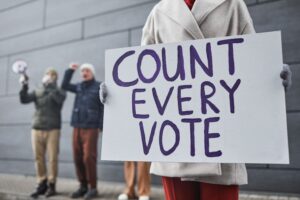
Election seasons are particularly volatile for Dow Jones futures. The outcome of presidential or congressional elections creates uncertainty about future regulations, tax policies, and international relations. As campaigns intensify, futures often fluctuate in response to polling data, debates, and candidate positions on key economic issues.
For example, during recent U.S. elections, Dow Jones futures demonstrated sensitivity to shifts in voter sentiment and policy proposals, acting as a barometer for investor expectations about the new administration’s economic agenda.
Why Investors Monitor Dow Jones Futures Closely
Hedging Strategies
Investors use Dow Jones futures as hedging instruments to protect portfolios against adverse market movements caused by political or economic uncertainty. By taking positions in these contracts, investors can offset potential losses in their stock holdings, maintaining stability amid turbulent times.
Predictive Insight for Market Openings
For traders and portfolio managers, Dow Jones futures offer predictive insights before the stock market opens. This early warning system helps market participants make tactical decisions, such as adjusting portfolios or executing trades in anticipation of market direction influenced by overnight news or political developments.
The Future Outlook: Navigating Political Risks and Market Opportunities
As the political landscape continues to evolve, the interplay between Dow Jones futures and policymaking will remain crucial for investors seeking to manage risk and capitalize on opportunities. With growing geopolitical tensions, regulatory changes, and shifting economic policies on the horizon, futures markets will likely experience sustained volatility.
Investors who stay informed about political trends and understand how these dynamics influence Dow Jones futures will be better positioned to navigate uncertainty. Leveraging futures data alongside comprehensive market analysis can help mitigate risks and identify promising investment opportunities in an increasingly complex global environment.
Frequently Asked Questions
What exactly do Dow Jones futures represent?
Dow Jones futures are contracts that predict the future value of the Dow Jones Industrial Average. They allow traders to speculate or hedge based on the expected movement of the 30 stocks that make up the index.
How do political events affect Dow Jones futures?
Political events influence investor sentiment and economic expectations, which in turn impact Dow Jones futures by causing shifts in market risk perceptions and influencing investment decisions.
Can Dow Jones futures predict stock market performance?
While Dow Jones futures provide an indication of market sentiment before the stock market opens, they are not perfect predictors. Futures can be influenced by numerous factors, including overnight news and global events.
Why do investors use Dow Jones futures for hedging?
Investors use Dow Jones futures to protect their portfolios from potential losses during periods of market volatility and political uncertainty by offsetting exposure in the underlying stocks. The Hill politics news
Do Dow Jones futures trade outside regular market hours?
Yes, Dow Jones futures trade almost 24 hours a day, allowing investors to respond to economic and political developments that occur outside of regular stock market hours.