In recent years, the word “fires” has taken on a figurative meaning in political discourse, describing the urgent, often burning issues that governments and societies face. From environmental catastrophes to social unrest, these “political fires” demand swift action and thoughtful policy solutions. This article explores the various dimensions of political fires, their origins, implications, and the responses shaping the future of governance worldwide.
What Are Political Fires?
Political fires refer to pressing crises or contentious issues that ignite intense debate, often requiring immediate attention from policymakers. Unlike literal fires that cause physical destruction, these metaphorical fires consume political energy and public discourse, shaping agendas and priorities.
Common examples include climate change, immigration controversies, economic inequality, racial justice movements, and public health emergencies. These issues metaphorically “burn” through social fabrics and demand urgent government intervention.
The Origin of the Term
Though “fires” has long been used metaphorically in literature and everyday speech to signify trouble or crises, its use in politics has grown alongside the media’s appetite for dramatic narratives. The phrase captures the urgency behind complex issues that require immediate suppression, much like firefighters douse wildfires before they spread uncontrollably.
Environmental Fires: A Literal and Figurative Crisis
Perhaps no other political fire is as visually and politically gripping as the literal wildfires ravaging landscapes worldwide. From California’s devastating blazes to Australia’s catastrophic bushfires, these events have thrust environmental policy into the political spotlight.
Climate Change and Policy Response
Wildfires symbolize the broader climate crisis, which has become a central political fire demanding legislative action. Governments worldwide face pressure to balance economic interests with environmental stewardship. Policies on emissions reduction, renewable energy adoption, and forest management have become battlegrounds for political parties and activists alike.
For example, the 2020 wildfire season in the Western United States prompted debates over federal versus state responsibility, funding for firefighting resources, and land use policies. These discussions reveal the complex layers of managing environmental fires that have both immediate and long-term political implications.
Social and Political Fires: Unrest and Renewal
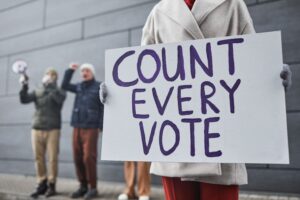
Beyond environmental catastrophes, political fires often erupt in the form of social movements and unrest. Issues like systemic racism, police reform, and immigration have ignited protests, legislative proposals, and heated political debates.
Case Study: The 2020 Racial Justice Protests
The killing of George Floyd in 2020 sparked widespread protests across the United States and globally, igniting a political fire around racial justice and police reform. This social upheaval fueled legislative attempts to address systemic inequalities, ranging from banning chokeholds to reimagining public safety.
These protests and the subsequent policy debates illustrate how political fires can catalyze societal reflection and potential reform but also deepen partisan divides. The challenge for politicians lies in channeling the energy of these fires into constructive dialogue rather than polarization.
Immigration Debates as Political Fires
Immigration remains a perennial political fire that flares cyclically in national discourse. Debates over border security, refugee admissions, and pathways to citizenship often erupt into fiery rhetoric during election cycles, especially in countries with diverse immigrant populations such as the United States, Germany, and Canada.
For instance, the U.S. border situation has ignited fierce debate over policy priorities, humanitarian concerns, and national security. The fluctuating policies between administrations show how political fires can shift based on leadership perspectives and global events.
Economic Inequality and Political Fires
Economic inequality has emerged as a smoldering fire in many societies, intensified by the COVID-19 pandemic and rising costs of living. This issue feeds into broader political discussions on taxation, social safety nets, minimum wage laws, and wealth redistribution.
Policy Battles Over Economic Justice
Countries are grappling with how to extinguish the fires of inequality through legislation. Proposals like increasing corporate taxes, expanding healthcare access, or improving education funding are hotly debated in parliaments and congresses.
For example, the Biden administration’s push for a multi-trillion-dollar infrastructure and social spending bill included provisions targeting economic inequality, sparking fierce debate within the U.S. Congress. The divide over such policies reflects contrasting visions of government’s role in addressing economic fires.
Managing Political Fires: Strategies for Policymakers
Effective management of political fires requires balancing urgency with deliberation. Policymakers must navigate emotional public sentiments, complex facts, and competing interests.
Building Consensus and Communication
One key approach is fostering bipartisan cooperation and transparent communication. Public trust increases when leaders acknowledge the seriousness of the fire and outline clear plans for intervention.
For example, during the COVID-19 pandemic, governments that communicated regularly, relied on scientific expertise, and coordinated responses often fared better in managing the public health fire.
Prevention and Long-Term Planning
Just as in firefighting, prevention is crucial. Investing in infrastructure, education, and research can reduce the likelihood or severity of future political fires.
Environmental policies, like improved forest management or carbon neutrality goals, aim to prevent literal fires and mitigate climate change. Similarly, social policies aimed at reducing poverty or systemic discrimination can help prevent social unrest from igniting.
Conclusion: The Ever-Present Flames of Politics
Political fires are an intrinsic part of governance and society’s evolution. They illuminate critical issues that require attention, debate, and action. Understanding these fires—whether literal or metaphorical—helps citizens and leaders alike grasp the stakes and possibilities inherent in shaping policies that impact millions.
By recognizing the urgency behind these fires and striving for balanced, informed responses, democratic societies can transform crises into opportunities for progress and unity.
Frequently Asked Questions
What causes political fires?
Political fires are caused by urgent and contentious issues such as environmental disasters, social injustice, economic disparity, and policy controversies that demand immediate attention and action from governments and society.
How can governments effectively manage political fires?
Governments can manage political fires by fostering bipartisan cooperation, communicating transparently, relying on expert advice, planning preventive measures, and addressing root causes through comprehensive policies.
Why are wildfires considered a political fire?
Wildfires are considered political fires because they highlight urgent environmental and climate challenges that require policy responses. They also generate political debate over land management, disaster preparedness, and climate change mitigation. Politico politics and policy
Can social unrest be a political fire? How?
Yes, social unrest is a form of political fire as it reflects deep-seated societal grievances. Protests and movements ignite political debate and often lead to policy changes or reforms.
Are political fires always negative?
Not necessarily. While political fires indicate crises, they can also serve as catalysts for important reforms, increased awareness, and societal progress when managed constructively.