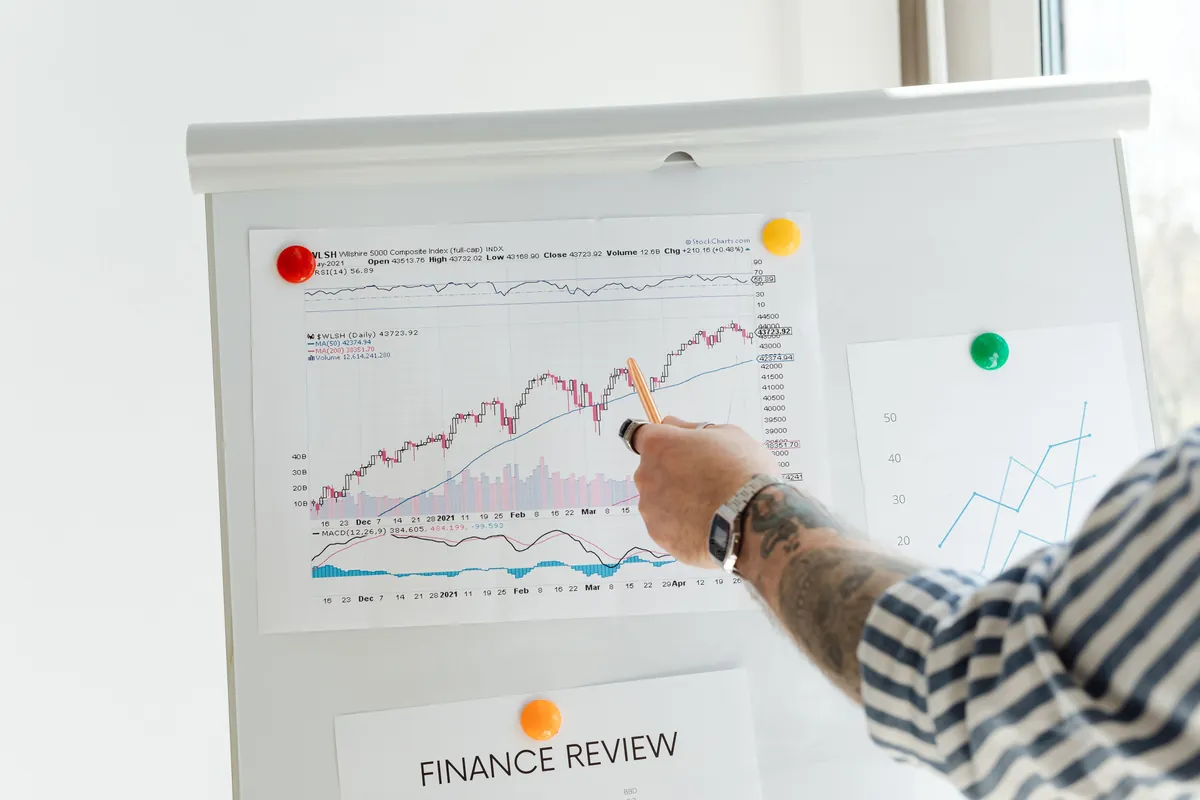
The price of gas in the European Union has become a critical indicator for consumers, businesses, and policymakers alike. With energy costs soaring and geopolitical tensions reshaping supply chains, tracking the eu gas price is essential for understanding broader economic health and energy security within the region.
Gas prices in Europe influence everything from household energy bills to industrial output, making them a focal point for discussions on inflation and sustainability. Navigating this complex landscape requires clarity on how prices are set, what factors drive fluctuations, and what the future holds for European energy markets.
Why the EU Gas Price Matters
Natural gas is a cornerstone of Europe’s energy mix, accounting for a significant portion of electricity generation and heating. Changes in the EU gas price ripple through the economy, impacting costs in manufacturing, transportation, and even food production.
Moreover, high gas prices have direct consequences on consumers’ wallets, raising concerns about energy poverty and social inequality. Understanding these price dynamics helps businesses adapt their strategies and governments craft effective energy policies.
Key Drivers of the EU Gas Price
Supply and Demand Dynamics
At its core, the EU gas price is shaped by the balance between supply and demand. During periods of high demand—such as cold winters or industrial booms—prices tend to spike. Conversely, mild weather or decreased consumption can ease prices.
Geopolitical Influences
Europe’s reliance on imported gas, particularly from Russia and Norway, means that geopolitical tensions heavily impact prices. Disruptions in supply chains, sanctions, or diplomatic conflicts can create volatility, pushing prices upward due to fears of shortages.
Infrastructure and Storage Levels
Europe’s gas infrastructure, including pipelines, LNG terminals, and storage facilities, plays a critical role. Storage levels ahead of winter, for example, are closely monitored as an indicator of potential price movements.
Market Speculation and Trading
Gas prices are also affected by trading activities in energy markets. Futures contracts and market sentiment can drive short-term volatility, influencing the cost businesses pay for their gas supplies.
Recent Trends in EU Gas Prices
Impact of the 2021-2023 Energy Crisis
Recent years have seen dramatic surges in the EU gas price, largely fueled by supply disruptions and increased demand following the COVID-19 pandemic recovery. The crisis peaked in late 2021 and 2022, pushing prices to historic highs, which triggered inflation across the continent.
Transition to Renewable Energy
While natural gas remains important, the EU’s Green Deal and commitment to reducing carbon emissions are gradually shifting focus toward renewables. This long-term trend is expected to stabilize price volatility, but in the short term, gas remains indispensable, especially as a backup when renewable output is low.
Post-Conflict Market Adjustments
Geopolitical events, such as the conflict in Ukraine, heavily disrupted gas flows from Russia, Europe’s major supplier. This forced the EU to seek alternative sources and accelerate diversification, influencing price fluctuations and energy security strategies.
How Rising EU Gas Prices Affect Businesses
Increased Operational Costs
Manufacturers and energy-intensive industries face higher costs as gas prices rise, which can reduce profit margins or lead to higher prices for consumers. Some sectors have begun investing in energy efficiency or alternative fuels to mitigate these impacts.
Supply Chain Challenges and Inflation
Energy cost increases often cascade through supply chains, contributing to broader inflationary pressures. This environment complicates planning and pricing strategies, especially for small and medium-sized enterprises.
Opportunities for Innovation and Sustainability
High gas prices incentivize businesses to innovate by adopting renewable energy technologies and improving energy efficiency. Companies that adapt quickly may benefit from cost savings and enhanced competitiveness.
Future Outlook for the EU Gas Price
Energy Diversification and Security Measures
Europe is actively working to reduce dependence on single suppliers by expanding LNG imports, building more infrastructure, and investing in renewable energy. These steps could moderate price volatility over time. Wikipedia
Technological Advancements
Breakthroughs in energy storage, hydrogen technology, and smart grids could reshape the gas market in the coming decades, potentially lessening the EU gas price’s dominance in energy policy discussions.
Economic and Climate Policy Impacts
Carbon pricing and stricter emissions regulations may increase the cost of fossil fuels, influencing gas prices directly and indirectly. Policymakers face the challenge of balancing affordability with climate goals.
Conclusion
The eu gas price remains a vital barometer for energy security, economic stability, and the ongoing transition to cleaner energy sources in Europe. While current challenges continue to cause price fluctuations, a strategic shift toward diversification and sustainability offers hope for a more stable and affordable energy future.
For businesses, consumers, and policymakers alike, understanding these dynamics is crucial to navigating the evolving energy landscape and making informed decisions. Understanding the Business Behind Sleeping XNXX: What You Need to Know
FAQ
What factors cause fluctuations in the EU gas price?
Fluctuations are driven by supply and demand imbalances, geopolitical tensions, infrastructure and storage levels, and market trading activities. Seasonal weather patterns and economic activity also play roles.
How does the EU gas price impact consumers?
Rising gas prices lead to higher household energy bills, affecting affordability and potentially increasing energy poverty. They also influence prices of goods and services across the economy.
What is Europe doing to reduce reliance on gas imports?
The EU is investing in renewable energy, expanding LNG infrastructure, increasing energy efficiency, and diversifying gas suppliers to enhance energy security and reduce import dependence.
Will gas prices continue to rise in the future?
Prices are expected to remain volatile in the short term due to market uncertainties. Longer-term trends suggest stabilization as renewables and new technologies reduce dependency on fossil fuels.
How can businesses manage the risks of rising gas prices?
Businesses can implement energy-saving measures, diversify energy sources, invest in renewable technologies, and engage in hedging strategies to mitigate the impact of price fluctuations.