As the world gradually recovers from the grip of the COVID-19 pandemic, a curious trend has emerged among consumers eager to reclaim their lost experiences: revenge spending. This phenomenon isn’t just about splurging—it’s tied deeply to emotional responses following long periods of restraint. From booking extravagant trips to indulging in luxury items, many are making up for missed opportunities with a shopping spree fueled by pent-up desires.
But why does revenge spending matter? Beyond the obvious impact on individual wallets, it offers fascinating insights into human behavior, economic recovery, and the entertainment industry’s evolution. Understanding this trend helps businesses adapt and thrive in a changing landscape, while consumers can better reflect on their spending choices. Wikipedia
What Is Revenge Spending?
Revenge spending is the surge in consumer spending resulting from a desire to compensate for a period of restriction. It often occurs after times of economic hardship, lockdowns, or social isolation, where people postpone discretionary purchases or experiences.
The term gained traction during the post-lockdown phases of the pandemic when many individuals were eager to revisit restaurants, travel, or buy luxury goods they had put off acquiring. It’s not merely about spending more money—it’s about reclaiming a sense of normalcy, joy, and freedom.
How Is Revenge Spending Different from Regular Splurging?
While occasional splurging is a normal part of consumer habits, revenge spending has a psychological edge. It’s driven by emotions such as frustration, resentment, and a need to assert autonomy after feeling deprived. This can lead to higher-than-usual spending and sometimes impulsive decisions aimed at compensating for past sacrifices.
The Emotional Fuel Behind Revenge Spending
After months of social distancing and economic uncertainty, many people experienced anxiety, stress, and boredom. These feelings created a buildup of emotional energy that found release through spending.
From Restriction to Liberation
When lockdowns limited access to shopping centers, theaters, concerts, and travel, consumers found themselves restricted not only physically but also socially and emotionally. The lifting of these restrictions sparked a collective urge to enjoy life more fully, often expressed through spending. Unlocking Creativity with Abridge Software: The Future of Entertainment Editing
This liberation isn’t just about buying things—it’s about reclaiming lost time and experiences. The emotional satisfaction gained from revenge spending often includes feelings of celebration and reward.
The Role of Social Media and Peer Influence
Social platforms amplified revenge spending by showcasing glamorous lifestyles and extravagant purchases. Watching others return to enjoyable activities or flaunt new acquisitions can spur a desire to join in, boosting spending further.
Revenge Spending’s Impact on Entertainment and Retail
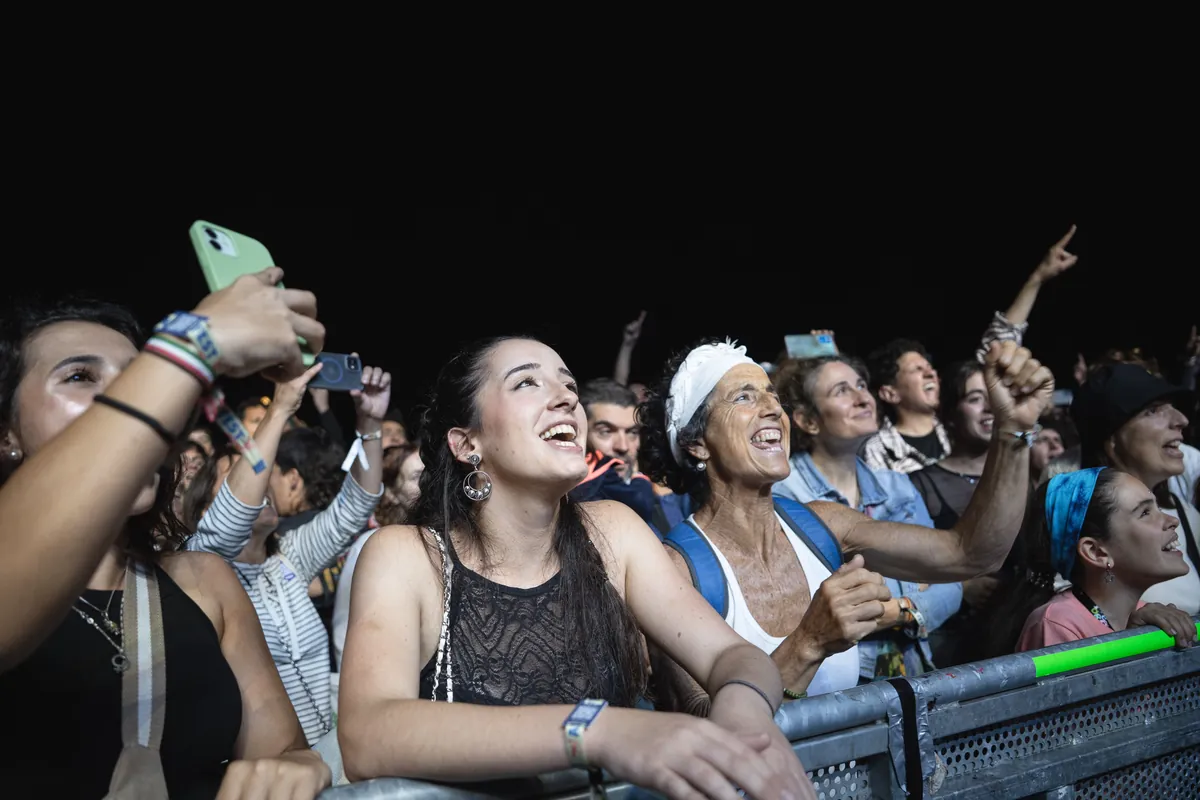
The entertainment sector, heavily hit by the pandemic, is benefiting significantly from revenge spending. Consumers eager to immerse themselves in live experiences are reigniting demand for concerts, theater shows, cinemas, and theme parks.
Travel and Hospitality Bounce Back
Perhaps the most vivid example of revenge spending is the travel industry’s rebound. Airlines report surging bookings, hotels enjoy rising occupancy rates, and luxury resorts are busier than ever. Many travelers opt for upgrade packages or premium experiences as part of their ‘making up for lost time’ mentality.
Luxury Goods See a Surge
High-end fashion, jewelry, and gadgets have witnessed an uptick in sales as consumers reward themselves with coveted items. Brands are capitalizing on this by releasing limited editions and offering unique experiences to entice shoppers.
Potential Downsides of revenge spending
While revenge spending injects energy into the economy, it also carries risks. Impulsive buying fueled by emotions can lead to financial strain, buyer’s remorse, and unsustainable consumption patterns.
Personal Finance Challenges
Consumers may overextend credit or exhaust savings in their enthusiasm to spend, creating long-term financial difficulties. The emotional high of revenge spending can be followed by regret as the reality of bills sets in.
Environmental Considerations
The sudden surge in consumption also raises environmental concerns. Increased travel, fast fashion purchases, and disposable entertainment contribute to larger carbon footprints and waste generation.
How to Enjoy Revenge Spending Responsibly
To balance enjoyment with prudence, consumers should approach revenge spending mindfully. Here are a few tips:
Set a Budget and Prioritize
Decide in advance how much you can afford to spend without jeopardizing your financial health. Prioritize experiences or items that truly bring satisfaction or value.
Look for Meaningful Experiences
Focus on spending that nurtures well-being and relationships, such as travel with loved ones or attending special events, rather than purely material acquisitions.
Take Your Time
Avoid rushing into purchases. Give yourself space to consider if a buy is a genuine want or just an emotional impulse linked to the pandemic’s aftermath.
The Future of Revenge Spending
As economies stabilize, the intensity of revenge spending may wane, but its legacy is likely to influence consumer behavior for years. Businesses are already adjusting strategies to tap into the emotional side of spending while promoting sustainable and responsible choices.
Moreover, the pandemic spotlighted the importance of balancing consumption with values. Expect a blend of indulgence and conscious spending trends shaping entertainment, retail, and travel industries moving forward.
FAQ
What exactly is revenge spending?
Revenge spending refers to the surge in consumer spending that occurs after periods of financial restraint or social restrictions, often driven by emotional motivations to “make up for lost time.”
Why did revenge spending increase after the pandemic?
Many people postponed non-essential purchases and experiences during lockdowns. Once restrictions eased, they spent more as a way to reclaim freedom and joy.
Is revenge spending a good or bad thing?
While it can boost the economy and provide emotional relief, revenge spending can be problematic if it leads to financial overreach or impulsive decisions.
How can I avoid overspending when caught up in revenge spending?
Set clear budgets, focus on meaningful purchases, and give yourself time to reflect before making big spending decisions.
Will revenge spending continue in the future?
Its intensity may decrease as normalcy returns, but the emotional aspect of spending is likely to influence consumer habits for the foreseeable future.