In today’s fast-changing world, the phrase “dow now” is more than just a call to check stock prices. It embodies an ongoing narrative about how politics shape the economy. With every political twist and legislative turn, investors and everyday Americans alike watch the Dow Jones Industrial Average to gauge the market’s response.
Understanding the Dow now is crucial because it reflects more than just numbers; it reveals confidence, concern, and anticipation. When political decisions shake the financial landscape, the Dow reacts in real time, offering clues about the broader economic future. But why does politics have such a powerful grip on this iconic index?
This article dives into the intricate dance between politics and the stock market, focusing on the Dow now. We’ll explore how government actions, policies, and elections influence market movements, and why that matters for investors and citizens.
What Is the Dow Now and Why Does It Matter?
The Dow Jones Industrial Average, often called “the Dow,” is one of the oldest and most recognized stock market indexes in the world. It tracks 30 large, publicly owned companies trading on stock exchanges in the United States.
When people say “Dow now,” they’re usually referring to the current performance of this index. It’s an instant snapshot reflecting the health and mood of the stock market. But the significance goes beyond just numbers—it offers insight into economic trends and can even hint at public sentiment influenced by political developments. Wikipedia
The Dow as a Barometer for Economic and Political Sentiment
The stock market doesn’t operate in a vacuum. Economic indicators, corporate earnings, and global events all impact it, but political actions often have outsized effects. When government officials announce new policies, trade agreements, or stimulus packages, the Dow now often shifts as investors recalibrate their expectations.
For example, a sharp drop in the Dow might signal investors’ fears about unstable political conditions or unexpected regulatory changes. Conversely, a rise could reflect optimism toward proposed reforms or election results that favor business-friendly policies.
Major Political Factors Impacting the Dow Now
Several key political factors influence the Dow now, including elections, legislative decisions, and geopolitical tensions. Let’s break down the main drivers.
Elections and Policy Shifts
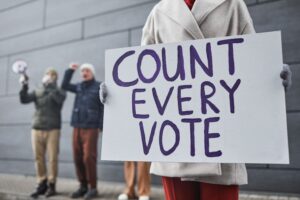
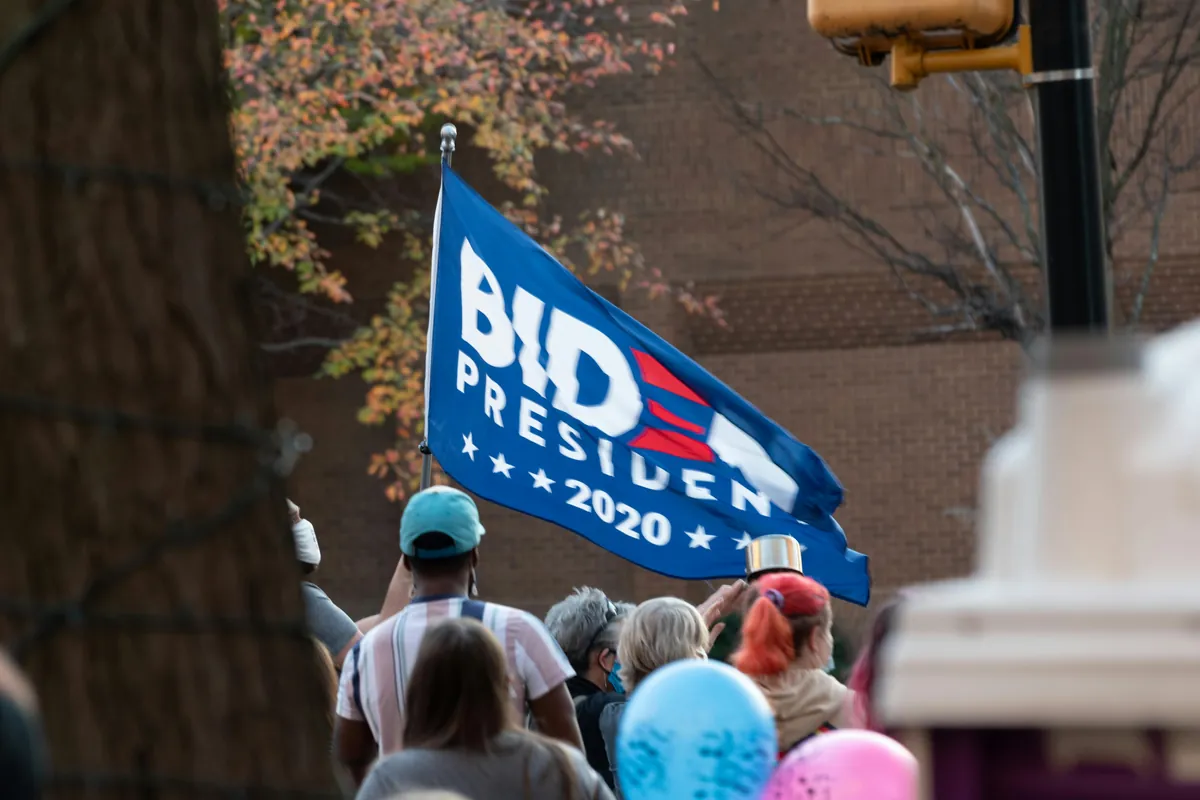
Elections are among the most predictable yet powerful events that move the Dow. The results can affect industries dramatically, depending on the winning party’s agenda. For instance, markets may react positively to promises of tax cuts or deregulation, while fears of increased corporate taxes or stricter environmental laws might drag the index down. How Stock Market Tracking Shapes Political and Economic Decisions
Investors watch the Dow now especially closely during election seasons, as uncertainty often breeds volatility. The transition period following an election is another critical time when market fluctuations highlight expectations about the new administration’s policies.
Legislation and Regulatory Changes
Legislative actions such as infrastructure bills, healthcare reform, or trade policies can ripple through the economy, influencing the Dow now. Recently, trade disputes and tariffs have led to notable swings as investors evaluate potential impacts on manufacturing and international business.
Regulatory environments also matter. Announcements from agencies about stricter environmental rules or changes in financial oversight can lead to immediate market reactions. The Dow’s real-time movement reflects how optimistic or cautious investors feel about these changes.
Geopolitical Tensions and International Relations
While the Dow is a U.S.-centric index, global politics inevitably affect it. Military conflicts, sanctions, and diplomatic negotiations can disrupt trade flows and supply chains, causing ripple effects in stock prices.
For example, heightened tensions in major oil-producing regions can drive energy prices up, influencing the Dow’s energy sector components. Similarly, significant trade agreements or disagreements between the U.S. and other economic powers impact market sentiment and the Dow now.
How Investors Use the Dow Now to Navigate Political Uncertainty
For investors, staying updated on the Dow now is about more than tracking gains and losses. It’s about reading the market’s response to political developments and adjusting strategies accordingly.
Short-Term Trading and Volatility
Day traders and short-term investors often capitalize on sharp movements in the Dow now triggered by political news. Quick reactions to unexpected announcements or election outcomes can lead to profitable trades, but this requires agility and risk tolerance.
Long-Term Investment Strategies
Long-term investors look at the Dow now as part of a broader economic and political landscape. While short-term dips or rallies may occur, many maintain positions based on expected policy trajectories and economic fundamentals.
Understanding how the Dow reacts during political cycles helps investors avoid panic selling and take advantage of market corrections driven by temporary uncertainties.
The Future of the Dow Now in an Increasingly Political World
As politics continue to intertwine with economic realities, the importance of monitoring the Dow now will only grow. Technology and instant access to information make it easier than ever to track market reactions to political events in real time.
However, investors and observers need to remain discerning. Not every political headline immediately or permanently moves the Dow. Differentiating between short-lived noise and meaningful policy shifts is key to making smart financial decisions.
FAQ
What does “dow now” mean?
“Dow now” refers to the current status or real-time value of the Dow Jones Industrial Average, a key stock market indicator tracking 30 major U.S. companies.
How do political events affect the Dow?
Political events influence investor confidence and economic outlooks. Elections, legislation, and geopolitical tensions can cause fluctuations in the Dow as markets adjust to anticipated changes in policy or stability.
Should I watch the Dow now during elections?
Yes, election outcomes can lead to significant market volatility. Monitoring the Dow now helps investors understand how policies might impact industries and market sentiment.
Is the Dow a good indicator of overall economic health?
The Dow provides a snapshot of large, established companies and market mood, but it doesn’t capture the entire economy. It’s one useful tool among many for gauging economic conditions.
Can geopolitical events outside the U.S. impact the Dow?
Absolutely. Since many components of the Dow operate globally, international conflicts, trade policies, and diplomatic relations can affect company performance and thus the Dow’s movement.